

Dual occupancy and duplex are two terms that get thrown around interchangeably in property investing circles, but they aren't the same thing. Understanding the difference matters because it affects what you can build, how you can sell it, and what finance and title options are available to you.
Getting this wrong before buying a site can mean discovering, months into a project, that the outcome you planned for isn't actually possible on that land under that title structure. Here's how the two terms differ and why it matters for your strategy.
What Dual Occupancy Actually Means
Dual occupancy is a planning term. It simply means two dwellings on one lot, regardless of how they're arranged or titled. A dual occupancy could be two homes side by side, one behind the other, or even stacked as a duplex — the term describes the use of the land, not the built form or the title structure.
Because it's a planning classification, dual occupancy approval depends heavily on the local environmental plan or planning scheme for that council area, including zoning, minimum lot size, and density controls.
What A Duplex Specifically Refers To
A duplex is a specific built form — two attached dwellings, usually mirror-image, sharing a common wall and often built to look like a single larger home from the street. A duplex is one type of dual occupancy, but not all dual occupancies are duplexes.
This distinction matters when you're briefing a designer or builder. Asking for a 'dual occupancy' gives more flexibility in layout than specifying a duplex, which locks in the attached, symmetrical format.
Why Title Structure Changes Everything
The bigger practical difference for investors is what happens with the title after construction. A dual occupancy can be retained on one title, torrens-titled into two separate lots, or strata-titled — each with different implications for financing and selling.
- One title (dual occ retained together) — simplest, but harder to sell individually or refinance separately
- Torrens title subdivision — creates two freehold lots, each sellable and financeable on its own
- Strata title — common with attached duplexes sharing a wall, involves an owners corporation
- Company title — rare, generally avoided by most lenders and investors
How This Affects Your Investment Strategy
If your plan is to build and hold, keeping the site on one title can be simpler and cheaper. If your plan is to build and sell one or both dwellings separately, you need torrens title subdivision from the outset, which affects your design, engineering, and council approval pathway.
Decide your exit strategy before you buy the site, because retrofitting a subdivision plan after construction has started is expensive and sometimes not possible.
Check Zoning Before You Sign A Contract
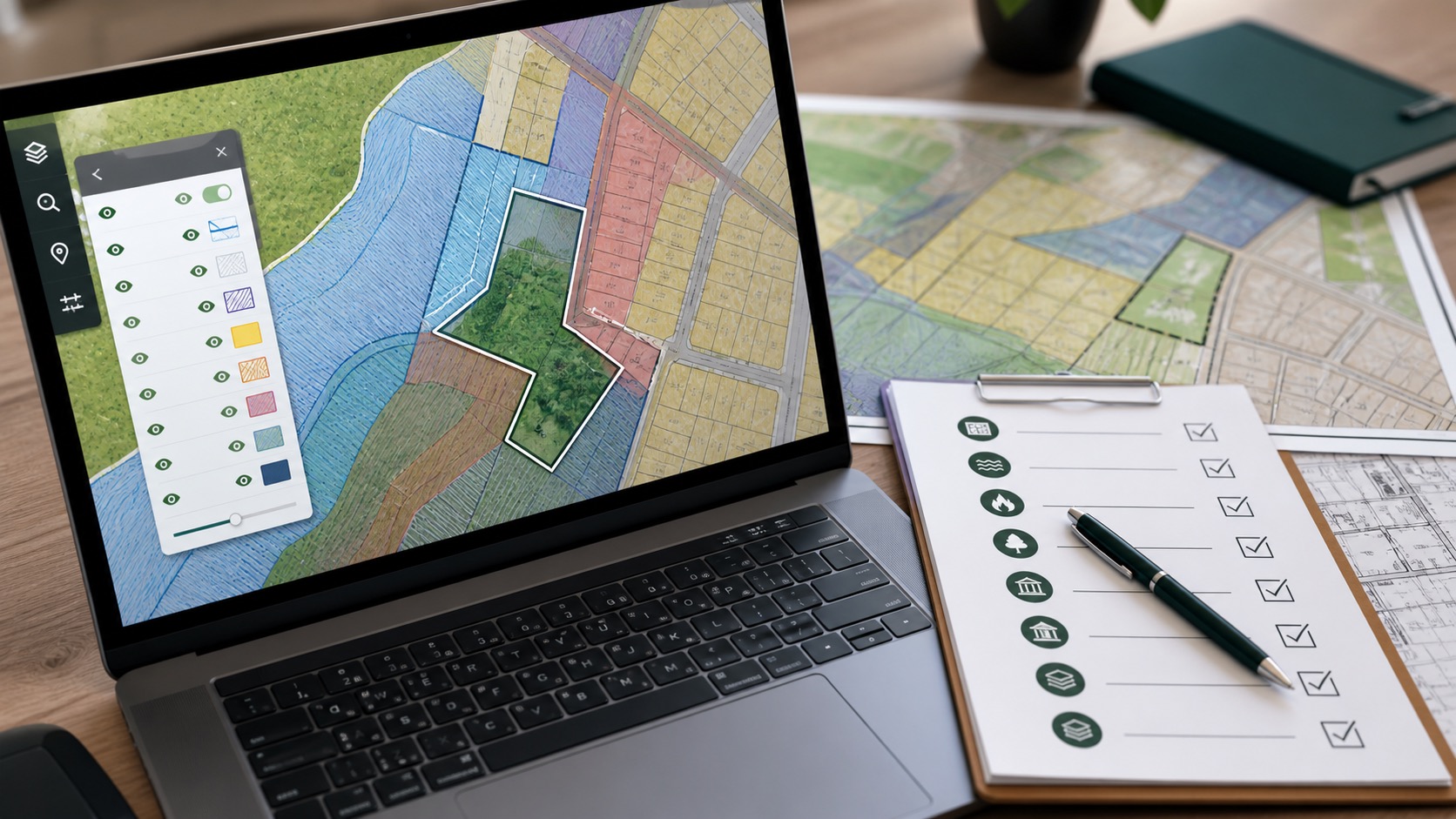
Not every residential zone permits dual occupancy or duplex development, and many councils apply minimum lot frontage and area requirements specifically for this use. A block that looks perfect on paper might fall short of the frontage needed for two dwellings and a shared driveway.
- Confirm the zoning explicitly permits dual occupancy or duplex development
- Check minimum lot size and frontage requirements
- Review overlays such as flooding, bushfire, or heritage that could restrict development
- Ask council or a town planner for a pre-lodgement opinion before buying
Final Word
Dual occupancy is the planning category, duplex is one style within it, and the title structure you choose determines how you can finance and eventually sell the finished dwellings. Confusing these terms early in a project can lead to costly redesigns or a site that never delivers the outcome you planned.
Before making an offer on a development site, get advice from a town planner and a solicitor about zoning, subdivision potential, and title options specific to that block.
Watch The Free Training
Watch the free Think Property Club training and learn how everyday Australians are using the wholesale property system to find, assess and structure high-profit property opportunities.
Watch the free masterclass →